Home Maintenance Essentials: Gutter Repair in Hackettstown
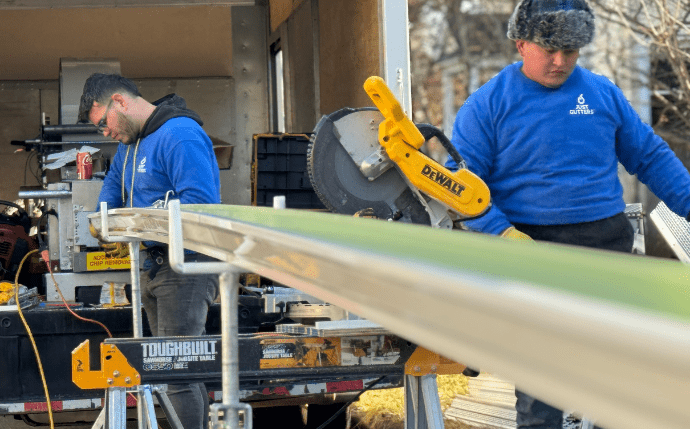

A gutter system does quiet, unglamorous work until the day it stops doing it. Then the consequences show up fast. Water spills over the roof edge, splashes against siding, pools near the foundation, stains fascia boards, and sometimes finds its way into a basement that had stayed dry for years. In a place like Hackettstown, where homes see heavy spring rain, summer storms, autumn leaf drop, and winter freeze-thaw cycles, gutters take a beating. Small defects that seem cosmetic in July can become expensive by January.
That is why Gutter Repair Hackettstown is not a niche concern or a seasonal afterthought. It is basic property protection. A sound gutter system controls where roof runoff goes, how quickly it leaves the structure, and whether it causes damage on the way down. Most homeowners notice the obvious signs, a sagging section, a detached downspout, a waterfall pouring over the edge in a storm. The more costly problems usually begin with the subtle signs people miss or postpone.
The good news is that many gutter issues are repairable if caught early. The better news is that understanding how gutters fail helps you make sharper maintenance decisions, whether you plan to handle simple upkeep yourself or bring in a contractor for more technical repairs.
Why gutters fail in Hackettstown
Local weather shapes the life span of every exterior component, and gutters are no exception. Hackettstown gets enough rain, snow, and wind-driven debris to test even well-installed systems. Add mature trees, which many neighborhoods have in abundance, and you have a predictable cycle of clogging, moisture retention, and accelerated wear.
Leaves and seed pods are the obvious culprits, but the less visible problem is what happens after debris settles in the trough. Organic matter stays damp, breaks down into sludge, and traps water against the metal. That standing moisture shortens the service life of seams, hangers, and fasteners. In colder months, trapped water can freeze, expand, and stress joints that were already weakened.
Roof pitch also matters more than many homeowners realize. A steep roof sheds water quickly, which means gutters receive larger volumes at higher speed during storms. If the system is undersized, poorly sloped, or partially clogged, overflow becomes much more likely. On shallower roofs, water may move more slowly, but debris can collect more easily near roof edges and outlets. Neither condition is automatically a problem, though each calls for a different repair mindset.
Age plays a role, too. Older homes around Warren County often have a mix of original exterior elements and later repairs. It is common to find gutters that have been patched in stages over many years, with mismatched materials, varying hanger types, and downspouts rerouted more than once. Those systems can function, but they rarely function efficiently. A repair job in that setting requires judgment. Sometimes the smartest move is a targeted fix. Sometimes the repair history itself is the warning sign that replacement is close.
The damage starts below the roofline
When people think about gutters, they tend to focus on the roof edge. The real danger is what happens lower down. Uncontrolled runoff is a foundation issue, a siding issue, a landscape drainage issue, and in many houses, a basement issue.
https://www.google.com/maps?cid=3999183471512401406Water that spills too close to the home saturates the soil around the footing. If grading is poor or downspouts discharge near the foundation, repeated soaking can increase hydrostatic pressure against basement walls. That does not mean every bad gutter causes structural trouble, but it is one of the most preventable ways water problems begin. I have seen homes where the owner spent money chasing basement dampness for years when the simpler fix was outside: reconnect the downspouts, restore proper pitch, and extend discharge away from the house.
Siding suffers too. Constant overflow leaves streaks, encourages mildew, and can eventually soften trim and sheathing. Wood fascia boards are especially vulnerable because they sit directly behind the gutter. Once water backs up or leaks through fastener holes, rot can spread farther than expected. Homeowners often discover this during a gutter repair when a section is removed and the wood behind it crumbles by hand.
Landscaping can also tell the story. Mulch trenches, washed-out flower beds, and eroded soil beneath roof edges usually point to drainage that has gone off course. Those clues matter because they show not just that the gutter is failing, but where the water is ending up. That helps define whether the repair should focus on cleaning, resecuring, resealing, or redesigning sections of the system.
The signs that a repair should not wait
Some gutter problems announce themselves loudly in a storm. Others are visible on a dry afternoon if you know where to look. Homeowners in Hackettstown should pay attention after heavy rain and again after winter loosens fasteners and stresses seams.
Here are the signs that deserve prompt attention:
- water spilling over the front edge during moderate rain
- gutters pulling away from the fascia or visibly sagging between hangers
- rust, pinholes, seam separation, or sealant that has cracked and peeled
- staining on siding, fascia, or soffits directly beneath the gutter line
- puddling at the foundation or downspouts that discharge too close to the home
One of the more overlooked warning signs is a gutter that still drains, but drains slowly. People assume a little standing water is harmless. It is not. Water that lingers in the trough adds weight, corrodes the interior surface, invites mosquito breeding in warm months, and freezes in winter. Proper pitch is subtle, usually a small drop over the run, but it matters immensely. A gutter can look straight from the ground and still hold water where it should not.
Another sign worth noting is repeated clogging at the same spot. That often suggests a geometry problem, not just a cleaning problem. The outlet may be undersized, the downspout path may be restricted, or the run may have settled and lost pitch over time. Recurrent failure in the same location is useful information. It tells you the system needs more than routine debris removal.
What a solid gutter repair actually involves
A proper repair is not just filling a leak with sealant and hoping for the best. Good repair work starts with diagnosis. Where is the water entering, overflowing, or backing up? Is the issue caused by debris, slope, failed seams, weak fasteners, rotted wood behind the gutter, or some combination of those factors?
For minor leaks at seams or end caps, resealing can be effective when the underlying metal is sound and thoroughly cleaned first. If the area is rusted through, sealant is only a temporary measure. The same logic applies to patching pinholes. A patch can buy time on an otherwise healthy section, but widespread corrosion usually means the gutter is nearing the end of useful life.
Re-securing loose gutters is another common repair. Spikes on older systems often loosen as wood fibers age or as repeated freeze-thaw movement opens the holes. Many contractors now replace failing spike-and-ferrule setups with hidden hangers and screws, which generally hold better and create a cleaner profile. Still, the fastener is only as good as the substrate. If the fascia behind it is soft or rotted, the wood must be repaired before the gutter can be properly reattached.
Pitch correction is one of the most valuable repairs because it addresses function at the system level. This may involve removing part of the run, resetting hangers, and creating a more consistent slope toward the downspout. It is not dramatic work, but it makes a dramatic difference during heavy rain. I have seen overflow disappear completely after a pitch adjustment on a gutter that had been cleaned several times with no improvement.
Downspout repair deserves equal attention. A flawless gutter run will still fail if the downspout is crushed, disconnected, undersized, or poorly placed. Elbows can trap debris. Underground drains can clog. Splash blocks can shift. Sometimes the best repair is not on the gutter itself, but at the point where water leaves it.
Repair or replace, the judgment call homeowners wrestle with
Every repair decision eventually reaches the same question: should this be fixed, or is it time to replace the system? There is no single rule, but a few factors tend to make the answer clearer.
If the problem is isolated, such as a separated seam, a few loose hangers, or one damaged downspout, repair usually makes sense. If the gutters are relatively young, made from decent material, and otherwise performing well, targeted work is cost-effective.
If the system has widespread rust, multiple leaking seams, chronic sagging, and mismatched prior repairs, replacement becomes easier to justify. The same is true when repairs expose hidden wood rot or reveal that water management was poorly designed from the start. At that point, money spent chasing one defect after another often adds up without solving the larger drainage problem.
Material matters here. Aluminum gutters are common because they resist rust and strike a practical balance between cost and durability. Steel is strong but more vulnerable to corrosion if coatings fail. Vinyl can work in some settings, though it is more sensitive to temperature swings and physical stress. Copper lasts a long time and ages beautifully, but it occupies a very different price bracket. Repair options vary by material, and so does the logic of investing in them.
What many homeowners want, understandably, is a simple age threshold. Past a certain number of years, should gutters be replaced automatically? Not really. I have seen older systems hold up well because they were pitched correctly, cleaned consistently, and kept free of standing water. I have also seen newer systems fail early because hanger spacing was poor or runoff volume was underestimated. Condition and performance matter more than birthday math.
The seasonal rhythm of maintenance in Warren County
Hackettstown homes benefit from a maintenance schedule that follows the local climate rather than the calendar alone. Gutters should be checked after major leaf drop, after winter, and after strong summer storms. A quick visual inspection from the ground can reveal a surprising amount if you know what to watch for. Look for uneven lines, detached elbows, concentrated splash marks, and vegetation sprouting from the troughs.
Autumn is the obvious cleanup season, but spring is often when repair needs become clear. Winter can be rough on hangers and seams, especially where clogged gutters allowed ice to form. By spring, what looked acceptable in November may be visibly twisted or leaking. Summer brings another kind of stress, particularly in intense thunderstorms that test capacity and reveal overflow points. A system that looks fine in light rain may underperform when rain comes hard and fast.
The practical takeaway is simple. Maintenance is not one event. It is a rhythm. Homes surrounded by trees may need more frequent attention than open-lot homes, and roof valleys that dump into one section of gutter often need special monitoring because they concentrate runoff and debris in a short area.
What homeowners can handle, and where DIY turns risky
Not every gutter issue requires a service call. Basic cleaning, checking for visible clogs at downspout openings, and confirming that splash blocks or extensions are still in place are all reasonable tasks for many homeowners. So is looking for obvious leaks during rain. These observations are useful because they help distinguish between a clog, a pitch problem, and a structural attachment issue.
That said, ladders change the equation quickly. Working at roofline height while handling wet debris or tools is where simple maintenance becomes risky. Multi-story homes, steep grades, and sections over decks or landscaping raise the difficulty. So do repairs that involve removing runs, replacing fascia, or adjusting pitch with precision. There is also the problem of false confidence. A leak sealed on a dry day may reopen in the next temperature swing if the prep work was poor or the underlying metal was compromised.
A sensible rule is this: inspect what you can safely observe, perform only low-risk maintenance you are comfortable with, and call a professional when the work involves height, structural attachment, hidden wood damage, or repeated failure that a cleaning does not solve. Gutter systems are simple in concept, but they can be deceptively technical in practice.
Choosing a contractor for Gutter Repair Hackettstown
When homeowners search for Gutter Repair Hackettstown, they are often in a hurry. A storm exposed a problem, water is landing where it should not, and the temptation is to hire the first available company. Speed matters, but so does diagnosis. The best repair contractors do more than quote a quick patch. They explain why the problem occurred and what will keep it from recurring.
Ask practical questions. Will they inspect the fascia behind affected sections? Are they checking pitch along the run, not just the visible leak? Will they evaluate downspout discharge and drainage away from the foundation? If replacement parts are needed, will they match material and profile as closely as possible? These are not abstract details. They separate a repair that lasts from one that merely survives the next storm.
A strong contractor should also be clear about trade-offs. Sometimes a repair is worth doing even if full replacement is likely in a few years, especially when budgets are tight. Other times, a cheap repair is money poorly spent because too many parts of the system are already failing. Honest guidance on that point is valuable.
Homeowners should expect clear scope, realistic timing, and no exaggerated promises. Exterior work depends on weather, and some conditions are only visible once debris is removed or sections are detached. A professional who acknowledges those uncertainties is usually more trustworthy than one who guarantees a perfect fix before touching the system.
Small upgrades that improve performance
Not every improvement requires full replacement. Some homes benefit greatly from modest upgrades made during repair work. A better hanger system can stiffen long runs and reduce future sagging. A larger downspout can help sections that receive concentrated roof runoff. Extensions or redirected discharge can move water farther from the foundation. In certain tree-heavy settings, guards may reduce maintenance frequency, though they are not a cure-all and still require periodic checking.
These upgrades work best when they respond to an identified weakness. Installing guards on a poorly pitched gutter will not solve standing water. Adding more sealant to a rusted seam will not restore failing metal. Smart improvement starts with understanding the actual failure mode, then choosing the least disruptive fix that addresses it.
For many Hackettstown homes, the most effective upgrade is surprisingly plain: improve drainage at the ground. A downspout that once discharged onto a short splash block may need a longer extension because grading, landscaping, or hardscaping has changed over time. Water management is a chain, and the system is only as strong as its weakest link.
A practical inspection routine that catches problems early
A simple routine can prevent a lot of expensive surprises:
- inspect gutters from the ground after major storms and during steady rain
- clean out leaves and sludge before winter and after peak spring debris
- check that downspouts are firmly connected and discharge away from the house
- look for recurring trouble spots, especially beneath roof valleys and near corners
- address small leaks or loose sections before freeze-thaw weather arrives
The value of this routine is not perfection. It is pattern recognition. If the same corner overflows every storm, if one downspout repeatedly loosens, if a section always holds water, you have useful evidence. That evidence makes repair more accurate and often less expensive because the contractor can focus on causes rather than symptoms.
Protecting the house by respecting the small stuff
Gutters rarely get the attention given to roofs, windows, or HVAC systems, yet they influence all of them in one way or another. They guard siding, preserve trim, reduce foundation moisture, and control how thousands of gallons of water move around the property each year. When they fail, the damage spreads quietly, then expensively.
That is why gutter repair deserves a practical, informed approach. In Hackettstown, where changing seasons put real stress on exterior systems, maintenance is not just about appearances. It is about protecting the envelope of the home. Clean gutters help, but cleaning alone is not enough when pitch is wrong, fasteners are failing, or water discharge is poorly managed.
Homeowners who pay attention to early warning signs, act before winter magnifies small defects, and choose repair strategies based on function rather than guesswork usually spend less over time. They also avoid the far more disruptive repairs that begin with a simple overflow and end with fascia replacement, siding damage, or water in the basement.
A good gutter system does not ask for much. It asks for inspection, timely repair, and occasional correction when age or weather starts to pull it out of line. Give it that, and it will keep doing one of the most important jobs in home maintenance, quietly steering water away from the places it should never go.
Just Gutters LLC
Address: 262 Main St, Hackettstown, NJ 07840
Phone number: +12013319454
FAQ About Gutter Repair Hackettstown
What is the average cost to repair gutters?
The average cost to repair gutters is about $390, with most jobs ranging from $120 to $900 depending on the damage. You can explore detailed data and estimates on Angi.
Can I repair a gutter myself?
Yes, you can easily repair most common gutter problems yourself if you are comfortable working on a ladder.
How much does it cost to repair a leaking gutter?
The average cost to repair a leaking gutter ranges from $75 to $350. Most homeowners spend around $150 to $250 to hire a professional to patch small holes or reseal leaking joints. If the damage is severe and requires replacing entire sections, the price can increase from $300 to $800.