How to Spot Poor Workmanship in Gutter Installation

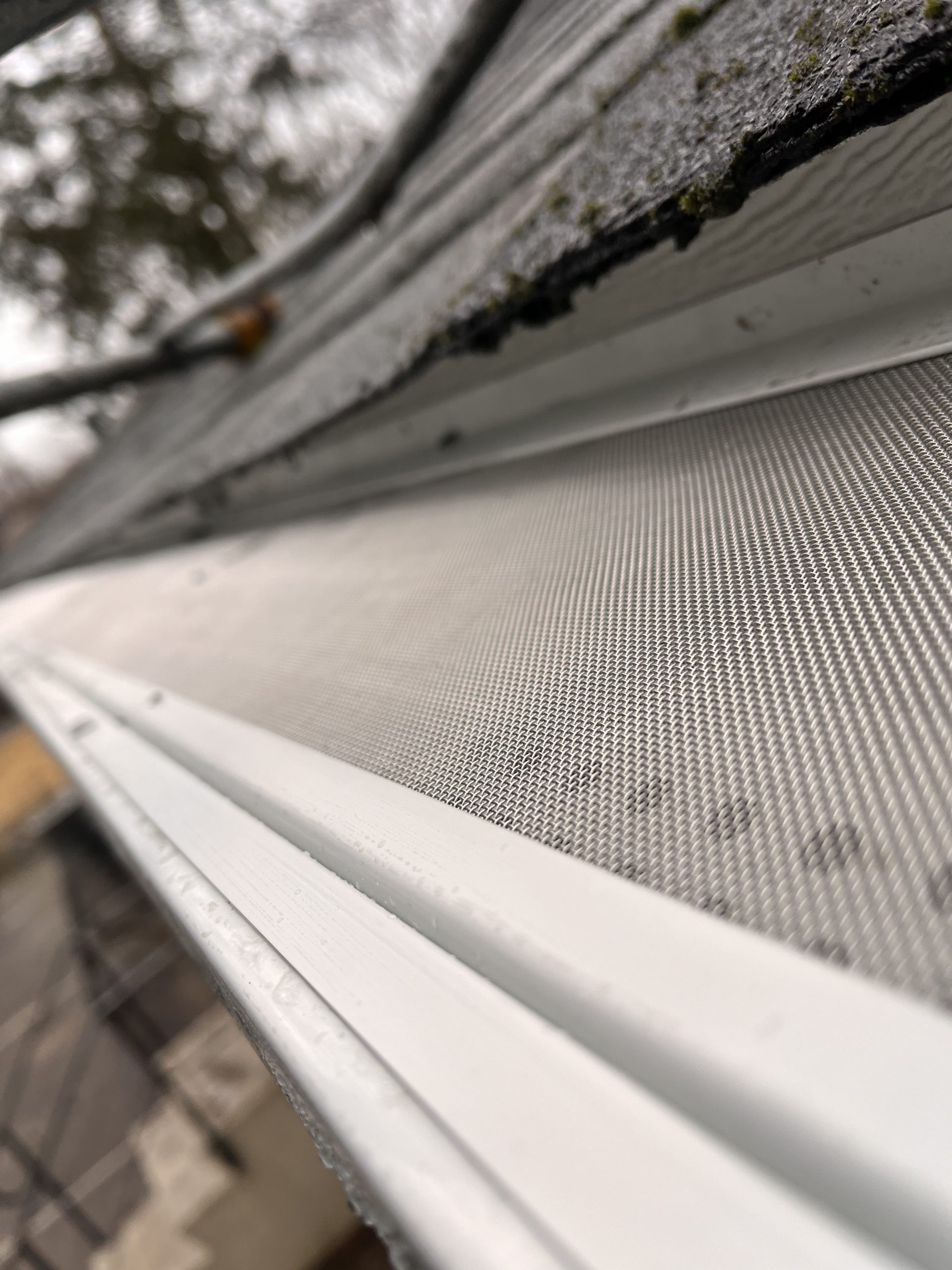
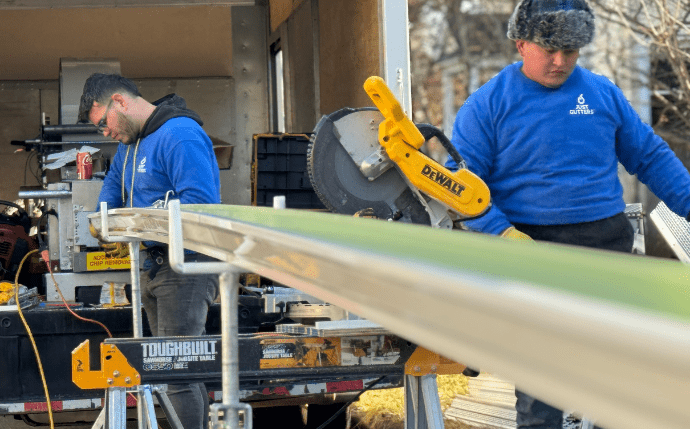
A gutter system does quiet, unglamorous work. When it is installed well, you barely notice it. Water leaves the roof, moves through the troughs and downspouts, and exits far enough from the house to keep the siding, soffits, fascia, landscaping, and foundation dry. When it is installed badly, the signs show up fast, and sometimes they show up in places homeowners do not immediately connect to the gutters.
I have seen houses with peeling paint that turned out to be a drainage problem, not a paint problem. I have seen basement seepage that started with a short downspout dumping water next to a foundation wall. I have also seen brand new Gutter Installation jobs fail in the first hard rain because the pitch was wrong, the fasteners were weak, or the crew rushed the outlet placement. Poor workmanship often hides behind clean-looking materials. Shiny aluminum can still be installed badly.
The good news is that bad gutter work usually leaves clues. Some are obvious from the ground. Others take a closer look, especially around corners, seams, and downspout connections. If you know what to look for, you can catch problems before they turn into rotten trim, washed-out flower beds, or expensive structural repairs.
Good gutters do more than carry water
People tend to judge gutters by appearance alone. Are they straight? Do they match the trim? Did the installer leave a neat line? Appearance matters, but performance matters more. A gutter system has to manage roof runoff during ordinary rain and hold up during heavy storms. That means the installer has to think beyond hanging metal on a fascia board.
A proper system accounts for roof area, valley runoff, the number and location of downspouts, local rain intensity, and how water leaves the home once it reaches grade. On a simple one-story ranch, that may not be complicated. On a steep roof with multiple dormers and valleys, one bad decision can overload an entire run. This is where workmanship shows. Skilled installers make quiet choices that prevent future trouble. Inexperienced crews often rely on generic spacing, minimal slope, and whatever layout is fastest.
That is why poor workmanship is not always dramatic. Sometimes the gutters do not fall off the house. They just overflow at one corner in every storm, or they collect water in the middle, or they stain the fascia after a year. Those are workmanship failures too.
The first sign is often water where it should not be
The easiest way to judge a gutter job is during or right after rain. Water tells the truth quickly. If you see water spilling over the front lip, dripping from seams, running behind the gutter, or pouring out at an elbow connection, something is off.
Overflow does not always mean the gutter size is wrong. Sometimes the run is pitched incorrectly, so water pools instead of moving toward the outlet. Sometimes the downspout is too small or too few downspouts were installed for the roof section feeding that run. On houses with large valleys, a standard section of gutter can be overwhelmed if the installer failed to add capacity where the water concentrates.
Watch where water lands. If it cascades over the edge in a curtain instead of entering the downspout, that suggests either poor slope, clogged outlets, or poor placement of the outlet relative to the roof geometry. If water drips between the back of the gutter and the fascia, the installer may have set the gutter too low, too far from the drip edge, or failed to use flashing correctly. I have seen jobs where the gutter itself was fine, but the gap behind it let water run straight onto the wood trim. Six months later, the homeowner thought they needed carpentry work. What they actually needed was a gutter installer who understood roof edge drainage.
Slope problems are subtle, but they are common
One of the most frequent workmanship issues in Gutter Installation is improper pitch. Gutters need a slight slope so water flows toward the downspout. Too little slope and water sits. Too much slope and the gutter line looks visibly crooked, especially on long runs. Good installers strike the balance so the eye reads the gutter as level while water still drains efficiently.
From the ground, a bad pitch can be hard to spot unless it is severe. The better clue is standing water. If you can safely look into the gutter after rainfall and still see puddles hours later, especially in the middle of a run, the pitch may be wrong or the hangers may not be supporting the gutter evenly. Stagnant water leads to corrosion, debris buildup, mosquito breeding, and winter ice problems in colder climates.
You can sometimes spot this by looking for a dirty water line. A gutter that regularly holds water leaves a telltale stain inside. On newer installations, that may show as dark residue gathering in low spots. On older systems, the metal may deform slightly where water and debris have sat season after season.
A long run with only one downspout is another reason to be suspicious. There are cases where that layout works, but it demands careful pitch planning and enough carrying capacity. If the roof plane above is large, a single outlet can become a bottleneck.
Fasteners and support tell you how seriously the job was done
Gutters are not heavy when empty, but they become much heavier when full of water and debris. Add snow or ice in some climates, and the load can be significant. That is why support spacing and fastening method matter so much.
Poor workmanship often shows up in loose attachment. The gutter may wobble when touched, sag between hangers, or pull away slightly from the fascia. On some rushed jobs, installers space hangers too far apart to save time and material. The system may look fine on day one and start dipping by the next season.
Fasteners should be appropriate for the fascia material and secure enough to resist movement. If you can already see screws backing out, joints twisting, or corners separating on a recent installation, quality was likely compromised. This problem shows up often where crews attach into rotted wood without addressing the substrate. The new gutter gets blamed later, but the real failure happened when the installer ignored damaged fascia and mounted to something that could not hold.
It is worth paying attention to the corners. Corners take stress, collect debris, and often reveal whether the installer worked carefully or carelessly. A clean corner should look aligned, well sealed, and well supported. A messy corner with gaps, rippled metal, excess sealant, or visible distortion usually predicts leaks.
Seams and sealant reveal the difference between tidy work and durable work
Many homeowners notice sealant only when it looks sloppy, but sloppy sealant is not just cosmetic. It can indicate poor joint preparation, rushed assembly, or an attempt to hide bad cuts. In sectional gutters, seams are the weak points. In seamless systems, the corners and outlet connections become the areas to watch.
A good seam looks deliberate. The joint is tight, the fasteners are neat if used, and the sealant is applied in a controlled way rather than smeared everywhere. An overuse of caulk can actually be a warning sign. Sealant should support a properly fitted connection, not compensate for a badly cut one.
Leaks at seams often begin small. You may only see staining on the outer face of the gutter, or drips during sustained rain rather than every shower. Over time those leaks mark the siding and can rot trim beneath. When I inspect bad installs, I often find the same pattern: a joint was made without proper cleaning, the sealant never bonded well, and temperature changes opened the gap.
Pay close attention to outlet cuts where the gutter connects to the downspout drop. If that opening was cut too small, water backs up in heavy flow. If it was cut too large or jagged, the connection can leak and collect debris. This is a small detail, but it separates careful installers from careless ones.
Downspouts are where many installations fail
Homeowners often focus on the horizontal gutter and overlook the downspouts, yet the downspouts determine whether collected water actually leaves the house effectively. A beautiful gutter line means very little if the downspouts are undersized, poorly located, loosely attached, or terminated badly at ground level.
The first problem is capacity. A roof section that drains a lot of water needs enough downspout capacity to move it. Valleys especially can dump a surprising amount of runoff into a concentrated area. If a downspout is placed far from that concentration point without proper slope or without adequate sizing, the system may overflow near the valley in every strong storm.
The second problem is attachment. Downspouts should sit snugly against the wall and be secured at sensible intervals. If they rattle in the wind, bow outward, or already show stress at the straps, the workmanship was not careful. Loose downspouts pull at elbows and joints, which then leak against siding or brick.
The third problem is discharge. Water should be directed away from the foundation. I still see installations where a perfectly decent gutter and downspout end six inches above a planting bed at the base of the wall. That is not a finished drainage solution. It is a partially completed one. Extensions, splash blocks, underground drains, or other site-appropriate measures may be needed depending on the grading and soil.
Here are a few downspout red flags worth checking:
- Water exits too close to the foundation or walks.
- Elbows leak at the joints during rain.
- The downspout size looks undersized for a large roof plane or valley.
- Straps are loose, sparse, or pulling away from the wall.
- The outlet from the gutter into the downspout is visibly restricted.
Alignment matters, but straight is not the same as correct
A crooked gutter catches the eye, and for good reason. It often signals poor layout, rushed fastening, or weak support. Still, a gutter can appear visually straight and perform poorly. It can also have a very slight pitch that is invisible from the ground and work perfectly. That is why alignment should be judged alongside drainage performance.
Stand back and look along the fascia line. Does the gutter follow the roof edge cleanly? Are there sudden dips, rises, or twisted sections? Does one corner sit noticeably lower than the adjacent run? Those visual irregularities suggest either poor installation or settling due to inadequate support.
Another detail people miss is placement relative to the roof edge. The gutter must sit where water actually drops off the shingles. If it is tucked too far back or too far forward, runoff can overshoot in heavy rain. This happens more often on steep roofs and under metal roofing, where water can move with more speed than installers expect. A contractor who has done real field https://archercfky886.urbanvellum.com/posts/choosing-between-k-style-and-half-round-gutter-installation-2 work will account for that. A contractor who installs every house the same way may not.
Fascia, soffit, and siding can expose bad gutter work
Sometimes the strongest evidence of poor workmanship is not in the gutter itself. It is in what the gutter failed to protect. Look at the fascia board behind the gutter. Fresh streaking, peeling paint, soft wood, or swelling can mean water is getting behind the system. That can result from bad placement, inadequate flashing, or loose fastening.
Check the soffits too, especially near corners and near the ends of runs. Water that regularly escapes or runs behind the gutter often leaves dirt marks and moisture damage there. On siding, look for vertical streaks below seams and elbows. On masonry, watch for splash staining or algae where downspouts leak or discharge poorly.
These clues matter because they tell you whether the installation is merely unattractive or actually failing the building envelope. A stain might look minor now, but if water is repeatedly soaking wood trim, you are looking at a much more expensive problem down the line.
Poor workmanship often starts before the gutter goes up
One of the hardest truths for homeowners is that some bad gutter jobs look neat because the installer skipped the harder prep work. A crew can mount gutters quickly if they ignore rotten fascia, improper drip edge details, old fastener holes, or uneven roof edges. The system may even work for a while. Then the hidden issues show up.
If the fascia board was soft and the installer attached directly into it anyway, the gutter is starting on borrowed time. If the drip edge was bent or absent and the installer said the new gutters would handle it, that is another warning. Gutters are not a substitute for roof edge flashing. They are one component of a drainage system.
A conscientious installer will point out substrate issues before installation begins. That conversation is not upselling by default. Often it is the difference between a durable job and a callback waiting to happen.
Questions that help you judge the work without climbing a ladder
Most homeowners do not want to inspect their own gutters from a ladder, and they should not if they are not comfortable doing so. You can still make a solid assessment from the ground and by asking a few practical questions.
Use this short checklist after a new installation or when reviewing an existing one:
- Watch the system during a moderate rain and note any overflow, drips, or backflow.
- Look for sagging, uneven lines, or sections pulling away from the fascia.
- Check where each downspout discharges and whether water is carried away from the house.
- Inspect siding, fascia, and soffits for fresh staining or moisture marks.
- Ask the installer how they determined downspout placement and gutter slope.
That last question is more revealing than most people expect. A skilled contractor will have a clear answer tied to roof area, run length, and drainage path. A weak contractor often gives a vague response about doing it “the standard way.” There is no single standard way that fits every roof.
New does not always mean good
It is easy to assume a recent installation is sound because the materials are new and the finish is bright. In practice, some of the worst workmanship I see is on recently completed jobs where speed mattered more than execution. Seams are forced together, hangers are widely spaced, downspouts are placed for convenience rather than capacity, and sealant is used like a bandage.
The first year is when those shortcuts begin to show. A little standing water becomes dark streaking. A small leak at an elbow stains the siding. A slightly loose run starts pulling away after the first storm with wind and debris. If the house is in a region with freeze-thaw cycles, minor installation defects become much bigger after one winter.
That is why it pays to inspect a new Gutter Installation closely rather than waiting for obvious failure. The sooner workmanship issues are addressed, the easier they usually are to correct.
When poor workmanship can be repaired, and when replacement makes more sense
Not every bad installation requires total replacement. If the materials are good and the problems are limited, a competent contractor can often re-pitch sections, add hangers, reseal leaks, improve outlet cuts, or reroute downspouts. Sometimes the fix is straightforward. A second downspout on an overloaded run can transform performance. A corrected gutter position under the drip edge can stop hidden fascia damage.
Other times the system was laid out so poorly that patching it becomes wasteful. If the fascia attachment is compromised throughout, if the runs are badly sized for the roof area, or if multiple sections are twisted and leaking, replacement may be more practical than repeated repairs. This is especially true when poor installation has already caused wood rot or exterior damage. At that point, you are not just repairing gutters. You are restoring the drainage path around the house.
A trustworthy contractor should be able to explain that distinction clearly. They should show you which problems are local and which are systemic.
The best installers leave very little drama behind
The hallmark of quality gutter work is not flashy craftsmanship. It is the absence of trouble. Water goes where it should. The lines look clean without being obviously overpitched. The supports feel solid. The corners stay tight. The downspouts discharge well away from the structure. Months later, there are no new stains on the fascia, no washouts below the elbows, no puddles lingering in the runs.
Poor workmanship in gutter installation rarely stays hidden forever. The house advertises it through drips, stains, sagging, overflow, and erosion. If you know how to read those signs, you can separate a merely new system from a properly built one. And that distinction matters, because gutters are not decorative trim. They are part of the building’s water management. When that work is done badly, the damage spreads far beyond the metal at the roof edge.
Just Gutters LLC
Address: 262 Main St, Hackettstown, NJ 07840
Phone number: +12013319454
FAQ About Gutter Installation Hackettstown
Can I install a gutter myself?
Yes, you can install gutters yourself. DIYers typically use aluminum or vinyl sections from home improvement stores. The project requires basic tools, precise measuring, and comfort working on ladders. Key steps include snapping a chalk line for a slight slope (1/4 inch per 10 feet toward downspouts), securing hangers every 2 feet, and caulking all joints securely.
How much does body contouring usually cost?
The Home Depot typically charges between $1,000 and $3,600 for a standard professional gutter installation on a typical single-family home with 200 linear feet of gutters. Calculated on a per-foot basis, the cost usually ranges from $5 to $18 per linear foot, highly dependent on the material you select.
How much does a 40 ft seamless gutter cost?
A 40 ft seamless gutter run will cost between $240 and $1,120+ fully installed, depending on the material you choose. Because seamless gutters require specialized on-site fabrication machines, they are rarely sold as DIY kits and are priced per linear foot.